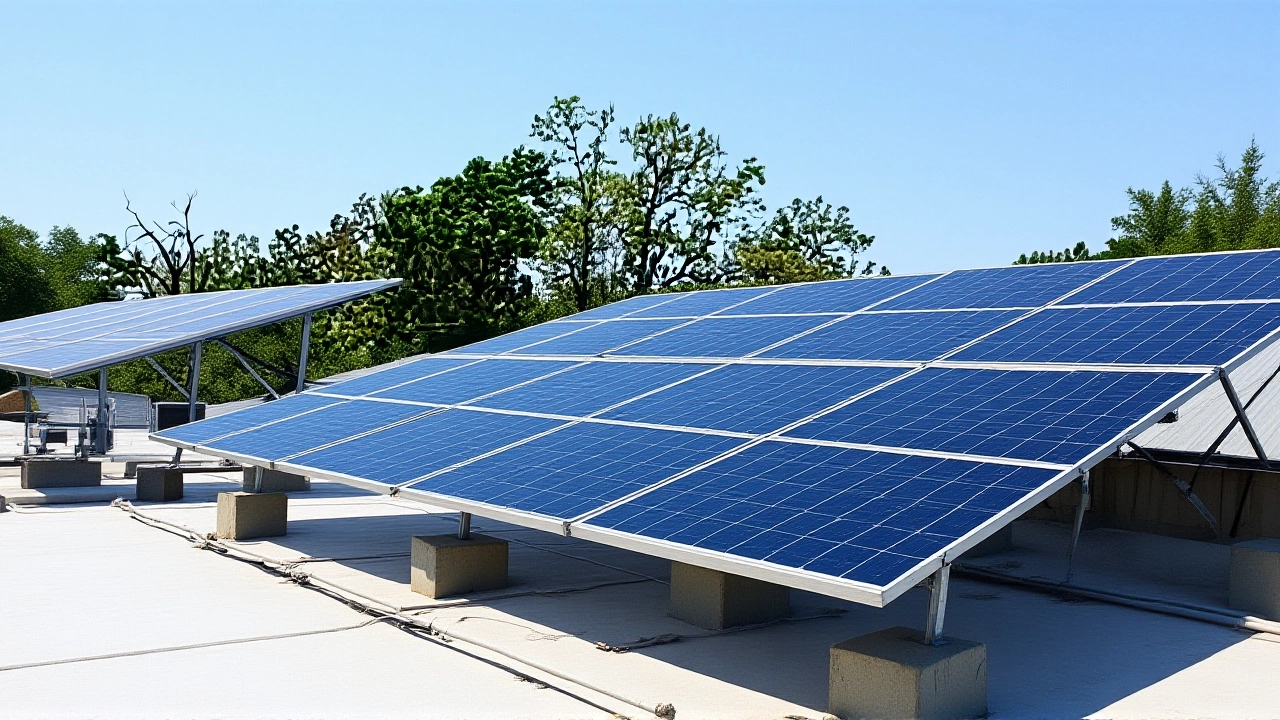
When Narendra Modi, Prime Minister of India, launched the PM Surya Ghar: Muft Bijli YojanaNew Delhi, he didn't just announce another government scheme. He promised to turn every Indian roof into a power plant. The goal? To provide up to 300 units of free electricity monthly to one crore (10 million) households by March 2027.
Here’s the thing: this isn’t just about saving money on bills. It’s a massive shift in how India thinks about energy independence. By subsidizing rooftop solar panels, the central government aims to reduce household electricity costs while cutting down on the state’s burden of purchasing power from the grid. For millions of middle-class families, it’s a chance to say goodbye to skyrocketing utility bills forever.
The math is surprisingly straightforward. Under the scheme, eligible homeowners can install solar systems ranging from 1 kW to 3 kW or more. The subsidy structure is tiered to encourage larger installations:
Turns out, these amounts represent roughly 60% of the cost for systems up to 2 kW and 40% for those above 3 kW. If you’re looking at a typical 2 kW on-grid system, which usually costs between ₹100,000 and ₹120,000, your out-of-pocket expense drops significantly to around ₹40,000–₹60,000. That’s a relief many families have been waiting for.
The timeline is aggressive but clear. Officials predict over 1 lakh installations by March 2025, scaling up to 20 lakh by October 2025, 40 lakh by March 2026, and hitting that landmark one crore target by March 2027. Each installed panel reduces dependence on the national grid, creating a decentralized energy network that’s both resilient and sustainable.
You might be wondering if your home is eligible. Here’s the catch: renters are out. Only individuals who own their property and have a valid electricity connection in their name can apply. You also need to be an Indian citizen and haven’t availed benefits from any other solar subsidy scheme previously.
The application process has been designed to be entirely digital, minimizing the need to visit government offices. Through the official portal or the Digital India Corporation-developed mobile app, applicants register, get approval from their local DISCOM (Distribution Company), and then hire an authorized vendor for installation.
Once the system is live and net metering data is uploaded, the subsidy hits your bank account directly via Direct Benefit Transfer (DBT). Required documents include your Aadhaar card, latest electricity bill, bank passbook, mobile number, and email ID. If technology intimidates you, don’t worry—local electricity offices offer free assistance centers where staff help fill out forms.
Even with subsidies, upfront costs can deter some. That’s where banks step in. Indian Bank and other financial institutions have introduced special loan products under the scheme. Homeowners can secure loans of up to ₹200,000 for installing systems up to 3 kW.
Oddly enough, these loans come with attractive terms: interest rates hover around 7% annually, and they’re unsecured, meaning no collateral is required. This combination of subsidy and low-interest financing makes solar adoption feasible even for lower-middle-income households. Over the 25-year lifespan of the panels, the savings far outweigh the initial investment.
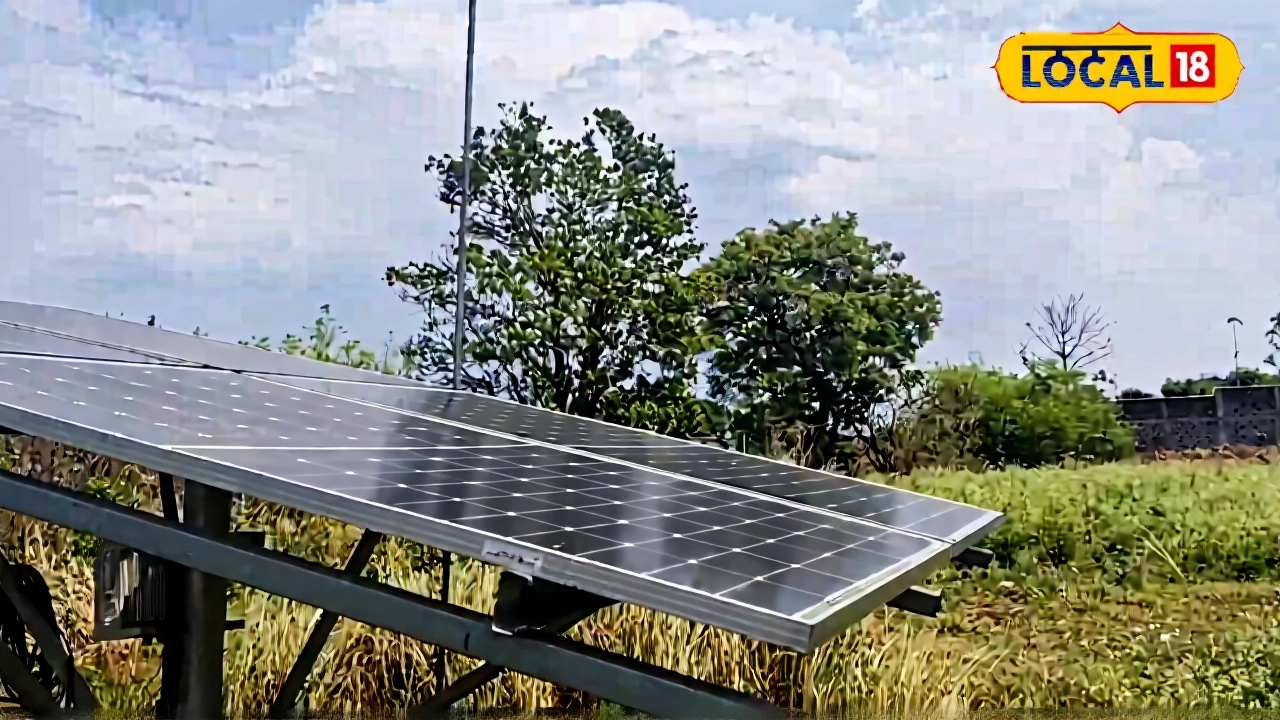
Before diving in, check your roof space. Experts recommend approximately 100 square feet per kilowatt of capacity. So, a 2 kW system needs about 200 sq ft of clear, shaded-free area. Monthly consumption guides size choice: 150 units suggest a 1 kW setup, while 300 units point toward 2 kW.
Net metering plays a crucial role here. Any excess electricity generated feeds back into the grid, earning credits or payments at predetermined rates. This ensures you’re not losing energy potential. Plus, maintenance is minimal; regular cleaning keeps panels efficient for decades.
No, the scheme is exclusively for homeowners. Applicants must own the property where the solar panels will be installed and hold the electricity connection in their name. Renters cannot claim subsidies as they do not possess ownership rights over the roof space.
You’ll need approximately 200 square feet of unshaded roof space. General guidelines suggest allocating 100 square feet per kilowatt of installed capacity. Ensure the area receives direct sunlight throughout the day without obstructions like trees or adjacent buildings.
Yes, several banks including Indian Bank offer specialized loans under the scheme. Borrowers can access up to ₹200,000 for systems up to 3 kW at interest rates near 7%. These loans are unsecured, requiring no collateral, making them accessible to a broader demographic.
Excess power is fed back into the grid through net metering. Utilities purchase this surplus energy at fixed tariffs, providing additional income or credit against future bills. This mechanism ensures maximum utilization of generated renewable energy.
The subsidy is disbursed directly after successful installation and verification. Once net metering data is uploaded to the official portal and all compliance checks are complete, funds are transferred via Direct Benefit Transfer (DBT) to the beneficiary’s registered bank account.